

Plasma cutting is an innovative metalworking method that allows for precise, efficient and flexible cutting of a variety of metals. Unlike traditional methods such as oxygen cutting or laser cutting, plasma cutting is based on the creation of an electric arc at a very high temperature, which allows for fast and precise cutting of metals of various thicknesses. This technique has become the ideal choice among many metal factories and garages, thanks to its many advantages.
What is plasma cutting?
Understanding the Plasma Cutting Process
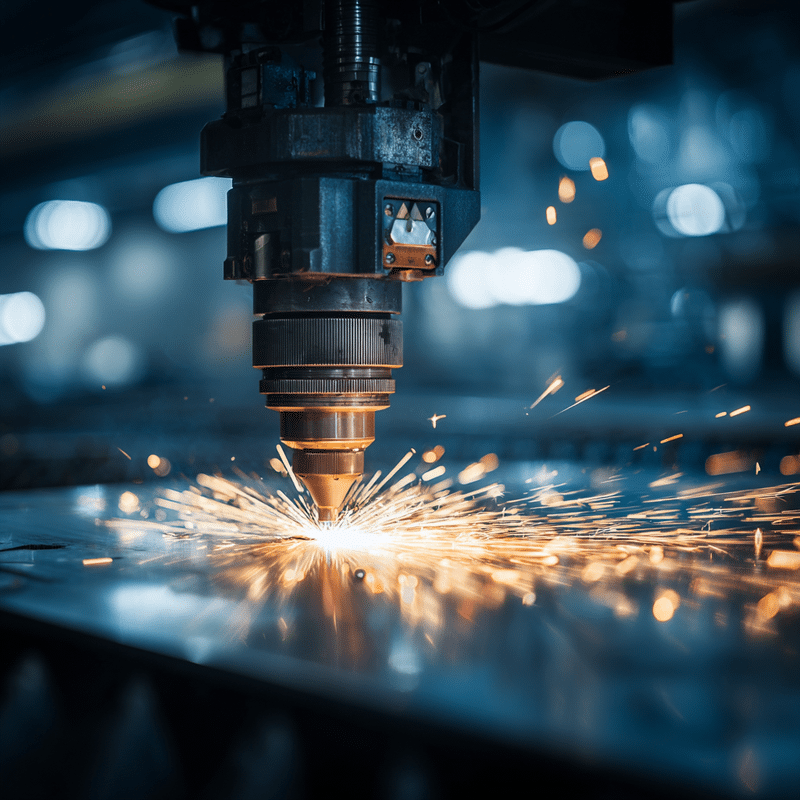
Plasma cutting is performed by creating an extremely high-temperature electric arc, reaching up to 30,000 degrees Celsius. This arc is created between a positive and negative electrode, while plasma gas (usually argon, nitrogen or compressed air) flows through a small hole in the cutting head. The hot, high-velocity gas creates a small hole in the metal, allowing for precise and efficient cutting.
Main components of a plasma cutting system
A typical plasma cutting system includes several main components:
- Power source: An electrical power supply that provides the energy needed to create the electric arc.
- Cutting head: The central part of the system, where the electric arc is created and the plasma gas flows to cut the metal.
- Gas system: Supply of compressed gas (usually argon, nitrogen or air) for the plasma process.
- Cooling system: Cools the cutting head to prevent overheating and premature wear.
Types of plasma cutting machines
There are several main types of plasma cutting machines:
- Portable Plasma Cutting Machines: Compact and portable machines suitable for small cutting jobs and in the field.
- CNC Plasma Cutting Machines: Computerized machines that perform precise and complex cutting according to computer programs.
- Industrial Plasma Cutting Machines: Large, stable machines designed for heavy cutting work in factories and workshops.
Why choose plasma cutting?
Advantages of plasma cutting over traditional methods
Plasma cutting offers several significant advantages over traditional cutting methods:
- Speed and flexibility: The plasma cutting process is faster than oxy-fuel or laser cutting, allowing for greater flexibility in processing complex shapes.
- Lower cost: Plasma cutting machines are cheaper than machines Laser cuttingAnd operating and consumable costs are also lower.
- Diverse cutting abilityPlasma cutting is effective for a wide range of metal types and thicknesses, including steel, aluminum, stainless steel and more.
Precision and accuracy in metalworking
Plasma cutting enables highly precise cutting of metals, with minimal deviations from the planned dimensions. As a result, it is particularly suitable for high-precision work, such as in the automotive, construction and machinery industries.
Speed and efficiency for industrial uses
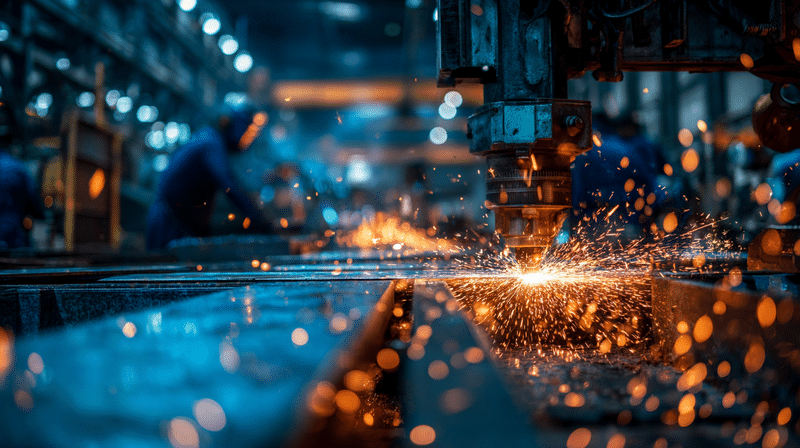
Thanks to the high cutting speed of the plasma method, it enables high output and improved industrial efficiency. Thus, it is particularly suitable for mass production and jobs that require rapid cutting of large quantities of metal.
Plasma cutting applications
Automotive and transportation industries
Plasma cutting is most commonly used in the automotive and transportation industries, where it is used to precisely cut metal parts for cars, trucks, buses, trains, and aircraft.
Construction and architectural metalwork
In the construction industry, plasma cutting is applied for precise processing of metal profiles, railings, fences, metal constructions, etc. It allows the creation of unique and complex designs.
Marine construction and manufacturing
In the shipping and offshore oil and gas production industries, plasma cutting is essential for the precise processing of large metal sheets for shipbuilding, cranes, marine installations and floating structures.
Decorative metalwork and art
Plasma cutting allows for the creation of sculptures, jewelry, signs, and sophisticated works of art from metal. The precision and flexibility of the method allow for a wide variety of unique designs.
Materials suitable for plasma cutting
Cutting capabilities for various types of metals
Plasma cutting is effective for cutting a wide variety of metal types, including:
- steel: Plain steel, galvanized steel, stainless steel, and more.
- aluminumPlasma cutting is particularly suitable for aluminum and its various alloys.
- copper: Copper and bronze can be cut using plasma cutting.
- Precious metalsPlasma cutting is also suitable for gold, silver and platinum.
Thickness limitations and unsuitable types
Despite its wide cutting capacity, there are limitations on the thickness of metals that can be cut with plasma. Typically, the maximum thickness ranges from 25 mm to about 50 mm, depending on the type of metal. Plasma cutting is also not suitable for metals with a low melting point such as lead, tin or zinc.
Preparing materials for optimal plasma cutting
In order to achieve optimal cutting results, it is important to prepare the metals properly:
- Cleaning from grease and rust: The surface must be cleaned of deposits, oils and rust before cutting.
- Removing coatings: In the case of coated metals (such as galvanized steel), the coating must be removed in the cutting areas.
- Correct alignment and assembly: The metals should be straight and properly assembled before cutting, to prevent distortions.
Everest Machinery Import Ltd., which specializes in importing advanced machinery for industry, offers a wide range of advanced plasma cutting machines for the metal industry in Israel.
Professional training and support in plasma cutting
Understanding and resolving cutting quality issues
Despite the many advantages of plasma cutting, sometimes problems may arise. Cutting quality problemsSigns of such problems include uneven cut edges, rough edges, or distortions in the metal. Possible causes of these problems include incorrect equipment settings, worn consumables, or improper operating conditions.
Plasma cutting equipment maintenance and repair
To ensure consistent and reliable performance of Cutting machinesIt is important to perform routine maintenance and replace consumable parts as needed. This includes replacing cutting heads, electrodes, spark plugs, and other parts according to the manufacturer's instructions. In addition, the gas and electrical systems should be regularly checked and faults repaired if necessary.
Professional courses and training in plasma cutting
In order to purchase Practical skills in plasma cutting, it is recommended to attend professional courses and training. These courses teach the principles of the process, setting the correct parameters, advanced cutting techniques and safety procedures. In addition, plasma cutting equipment suppliers often offer technical support and targeted training to their customers.
Additional articles:

הכפוף הדיגיטלי: מדריך לתעשיית המתכת לכיפוף מדויק בלחצים הידראוליים


זיהוי הזמן להחליף כלי מכונת כיפוף: מדריך שלם לבלאי הכלים

חיתוך לייזר בשלמות: שליטה בחדות הקו